
The national project “Youth Engaged for the Earth”, initiated by the French association XCSS – CROSS COUNTRY SKIING SAND, aims to directly involve high school students in concrete actions addressing climate, environmental, and societal challenges, while integrating sport as a tool for awareness and mobilization.

Context
In the face of environmental challenges and the climate emergency, the project seeks to create a tangible link between environmental education, civic engagement, and responsible sports practice. The project begins along the coastline of the Baie de Somme Regional Natural Park, with the goal of expanding to other French coastlines and internationally, in order to build a replicable and sustainable initiative.
Objectives
-
Education and awareness: understand the connections between ecosystem changes, climate, and human health, and explore sustainable solutions to reduce environmental impacts.
-
Youth mobilization: encourage the adoption of eco-responsible and cooperative behaviors, and foster a spirit of solidarity through concrete projects.
-
Eco-responsible sport: promote the innovative XCSS© practice – sand cross-country skiing – combining physical activity, health, and environmental respect.
Implementation
The project consists of three complementary modules:
-
Environmental education: general concepts on climate disruption and major risks.
-
Promotion of human and environmental health through sport: introduction to XCSS© and awareness of environmentally responsible practices.
-
Practical application: school outings with Lycée J-P Timbaud in Aubervilliers, case studies on the Baie de Somme RNP, and on-the-ground actions to preserve biodiversity and natural resources.
Impacts
-
For students: acquisition of knowledge, development of critical thinking, civic engagement, and responsible sports practice.
-
For society: promotion of sustainable behaviors and cooperation among youth, teachers, scientists, and athletes.
-
For the environment: tangible awareness of local and global issues and contribution to ecosystem preservation.
The JET project is already recognized as a case study by the UNFCCC, and the partner high school is positioned as a national and international pilot institution, demonstrating that education, sport, and civic engagement can combine to build a sustainable future.
An innovative initiative that inspires, mobilizes, and empowers youth to take concrete action for the planet.
The role of the setec Foundation
The setec Foundation supports this project with €10,000, helping to cover logistical costs, speaker fees, and part of the program implementation expenses.
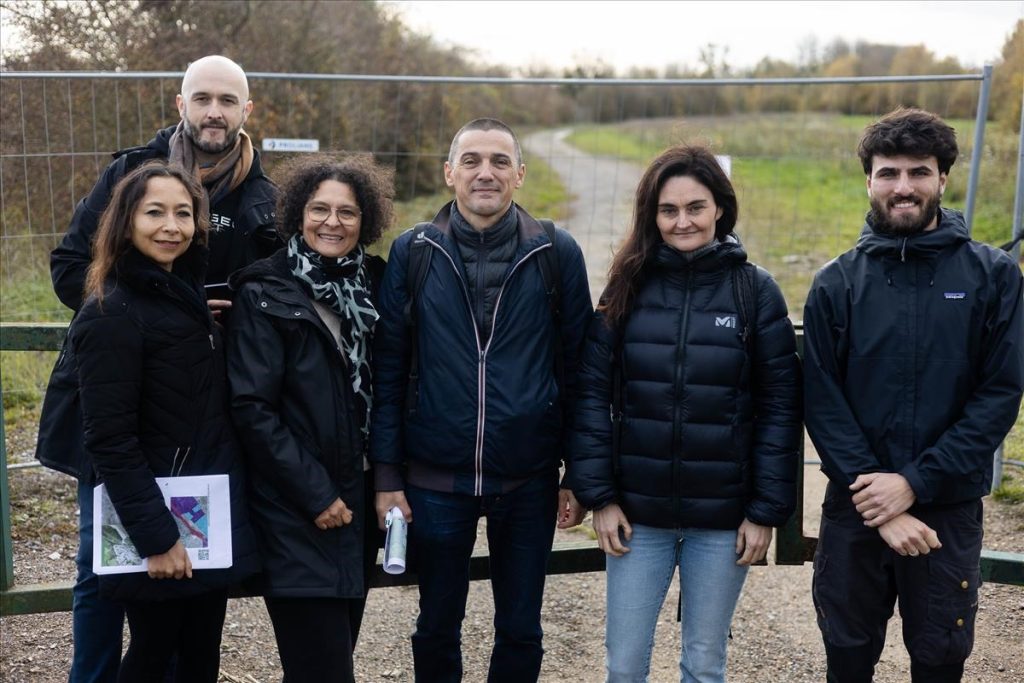
Loïc Philipson, team leader at setec international, is the project’s sponsor and oversees its progress. He has also actively participated on the ground.
News
Implementation of the first JET module at the pilot high school Henri Bergson in Paris
The first module of the JET program, designed for biology (SVT) classes, was implemented at the pilot high school Henri Bergson in Paris. During this morning session, two key topics were addressed:
-
“The Role of Humans in Their Ecosystem”, presented by Chloé Bernardino, Project Manager at the Colibris Movement and Earth Charter International Young Leader.
-
“The Urban Ecosystem: When Nature Integrates into the Heart of the City”, led by Walid Loulidi, Master Beekeeper and Educational Manager at the Urban Beekeeping School.
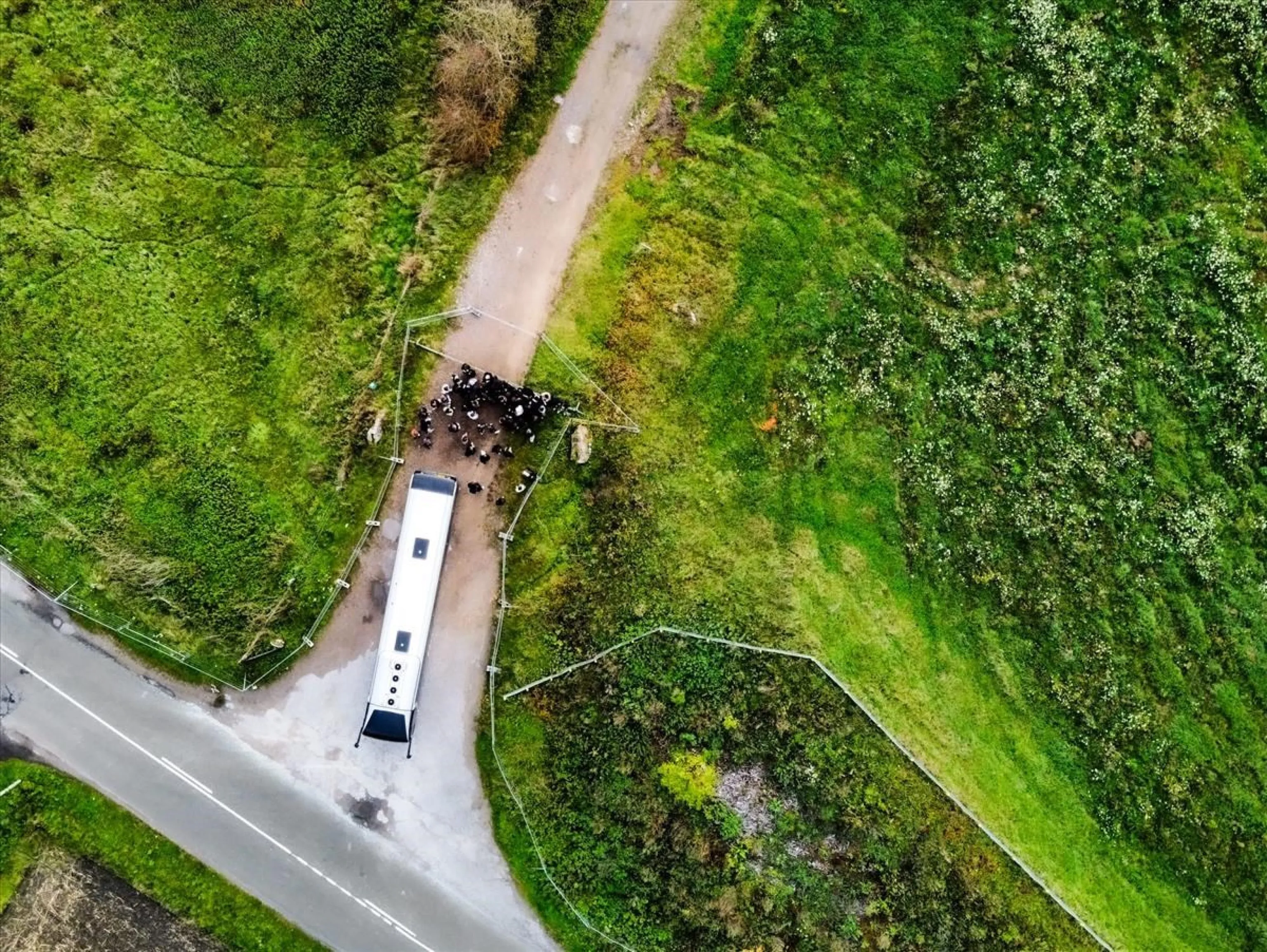
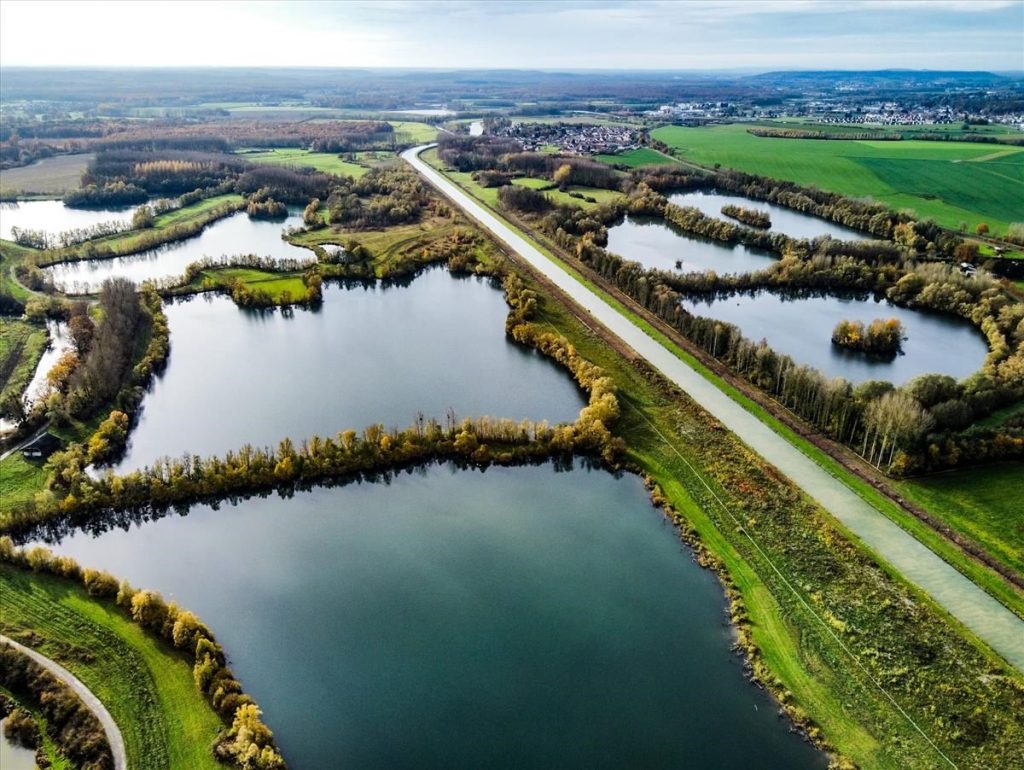
A second session took place on Monday, November 10 (7 a.m.–12 p.m.) as a school field trip to the Canal Seine-Nord Europe site. This morning, supervised by Loïc Philipson, project sponsor and Team Leader at the Specialized Engineering and Environment Department – Paris Site of the SETEC Group, combined field activities with educational presentations:
-
Site exploration and introduction to environmental professions
-
Discussions on two main themes:
-
Air and water pollution: sources of pollution and impacts on biodiversity and ecosystems, including contamination of groundwater, soil, oceans, and rivers.
-
Ecosystem and water resource preservation: review of the water cycle and best practices to protect this essential resource.
-
This first implementation of the JET module combines theory and hands-on field experience, allowing students to better understand the interactions between humans, the city, and the environment, while discovering careers and challenges related to ecosystem protection.
Credits ©Anthony ONDOMAT et SETEC